Mission
Why this farm exists.
One goal, written down so it can’t be drifted away from when the season gets hard: to provide value for the sake of others — developing agriculture, education and technology in a sustainable and ethical way.
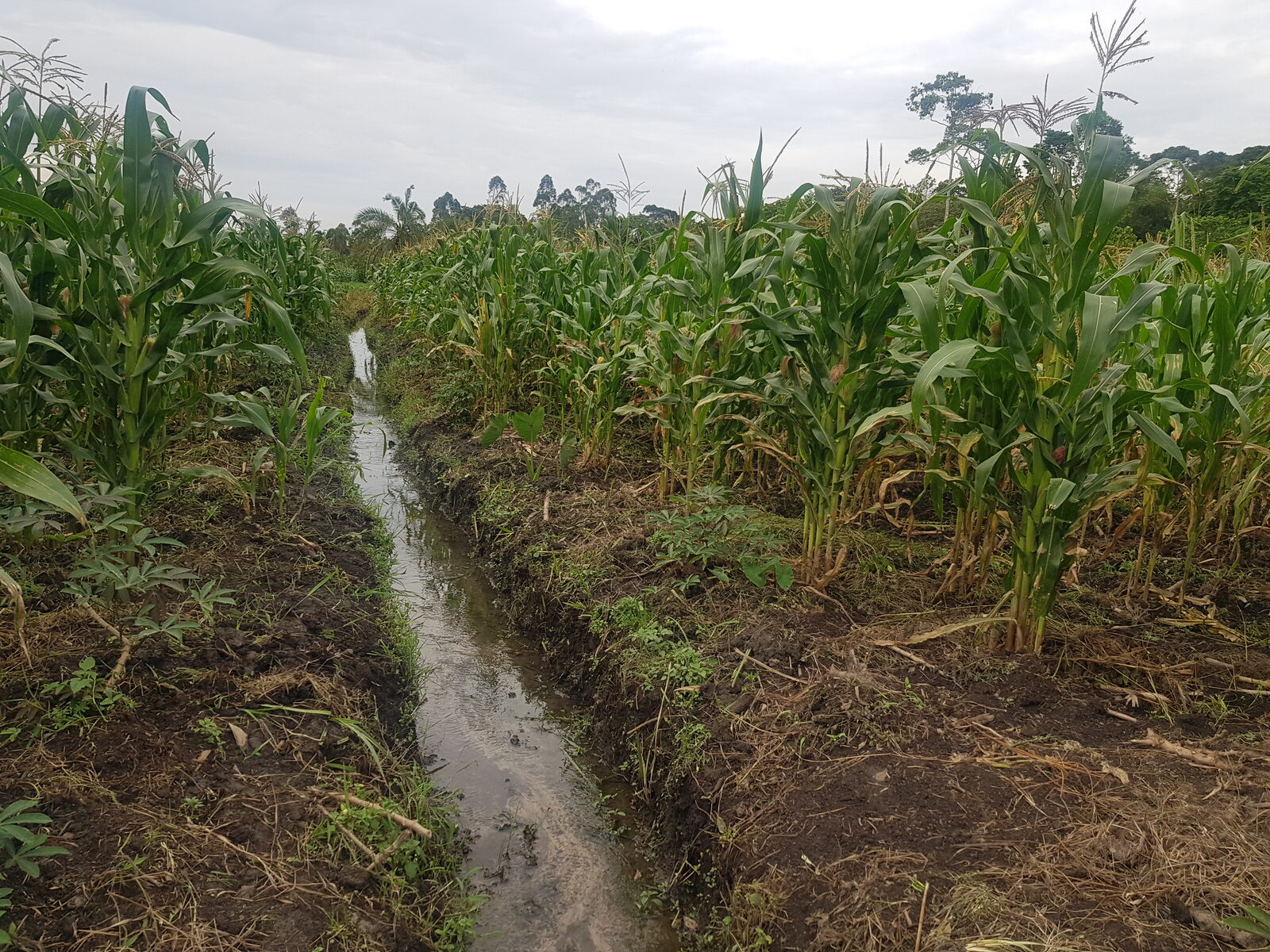
A working farm, run by an all-Ugandan team, that pays the people who grow the food to feed the people who buy it — and reinvests the profit into the community around it.
The two promises
1. Steady work for local people
The team is entirely Ugandan apart from the founders. We hire locally and train on the job; the work already supports our full-time staff and their families, and reaches well over a hundred people in a rural area that sees little economic investment.
2. Quality goods for local markets
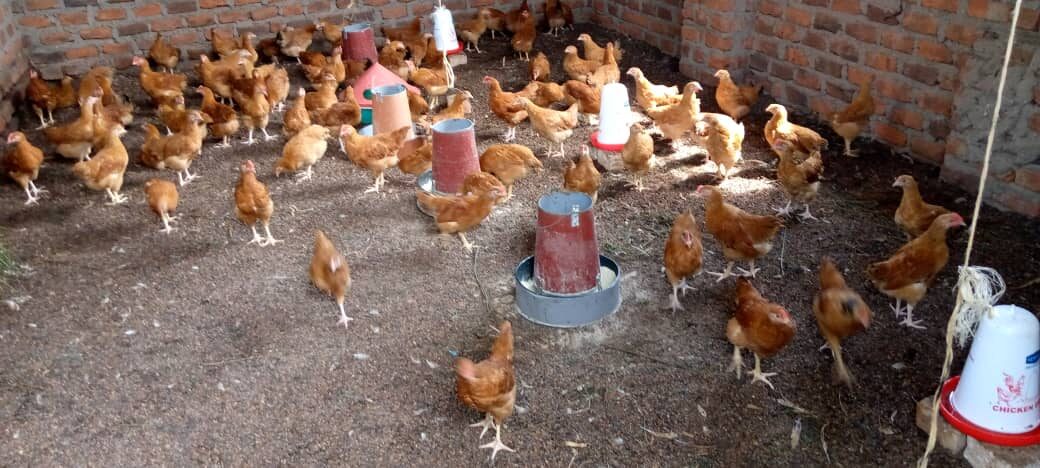
What leaves the farm goes into Ugandan kitchens. Flour and eggs at prices our neighbours can pay — and we never compromise on what those products contain, because the people eating them are people we see every week.
How that shows up
Livelihoods
Full-time jobs in a rural area that sees little outside investment, with construction and services that have reached well over a hundred people — and we’re aiming for much bigger numbers.
Education
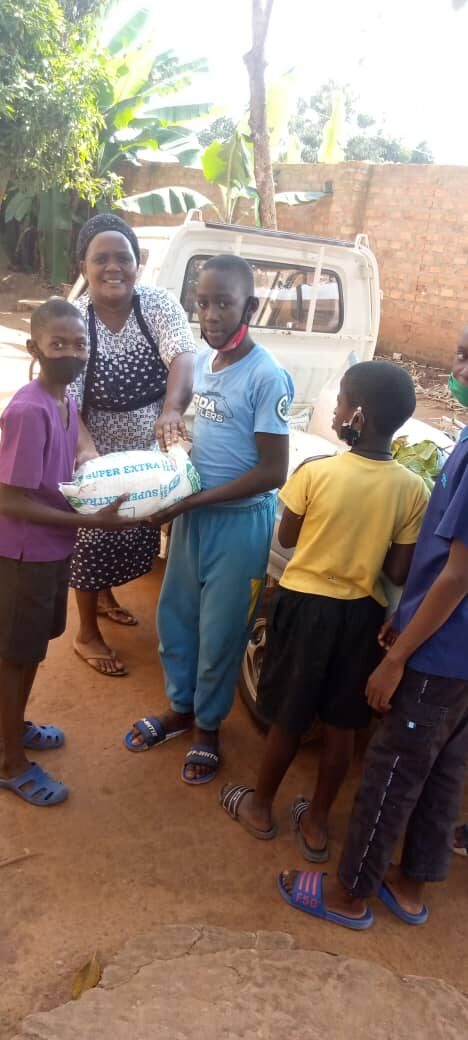
When schools closed during the pandemic, we took on three young students (11–13), taught them how the farm works and gave them pocket money. The long-term plan is a technology school for the community.
Operate, don’t aid
Charity dependence is fragile. The farm sells real goods at real prices and pays real wages from real revenue. Donations are welcome — they shorten the road, not pave it.
Self-funded, full control
Founded and funded entirely by Alex & Miho Fortune — no outside investors. That’s deliberate: it lets us run the business philanthropically, for the community, rather than purely for profit.
Quality over volume
We could mill faster if we cared less about drying. We could lay more eggs if we cared less about feed. We don’t. The reputation we have with our neighbours is the only one that matters.
Transparent by default
The roadmap, the build-out, the operating model — a lot of it’s public. If we can’t explain a number, we shouldn’t be working from it.
The bigger vision
Most Ugandan farmers are the backbone of the economy, yet many have no reliable connection to the electricity grid and no access to banking. Fortune Farms is building toward a model that changes both.
Animal waste feeds anaerobic biogas digesters: the methane replaces charcoal for clean cooking, and a dewatering stage produces the highest-quality compost and fertilizer. A methane engine turns the surplus gas into electricity — and the excess electricity into Bitcoin mining, putting hard, savable money into the hands of people the banking system has left out. The same green energy powers pumps, fridges, lights and phones.
Alongside it: on-site fish farming (tilapia) and aquaponics, a return to goats, pigs and cows, and education on the Lightning Network for true financial inclusion. It’s an ambitious plan — and one we’re set on with or without funding.
See the roadmap for the season-by-season how. See the stats for the numbers behind the talk.